
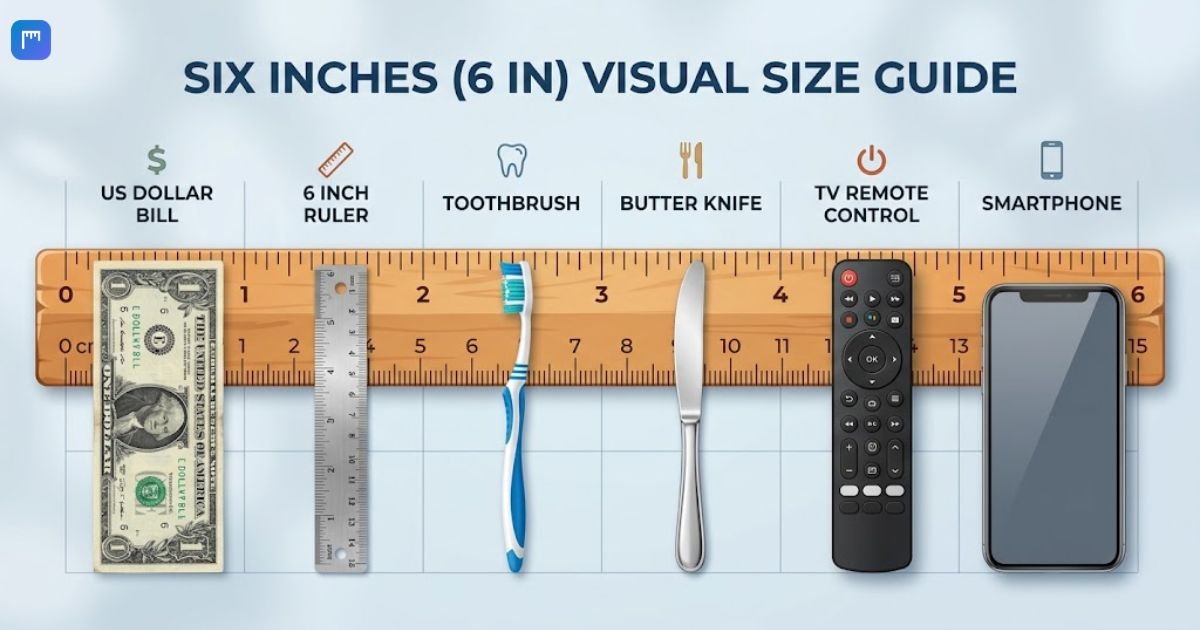
Six inches is a length equal to 15.24 centimeters. The inch is an old unit of measurement that has been used for centuries in trade and daily life. Today it is still common in the United States and helps people describe the size of many familiar objects.
But how long is 6 inches when you see it in real life? A number alone can be hard to picture. You may have held something close to this length many times without noticing it. Simple everyday objects can make this measurement much easier to understand.
In this guide you will discover 14 common things that are about 6 inches long. From items found at home to objects you may use every day these examples will give you a clear visual idea of how long 6 inches really is.
HOW LONG IS 6 INCHES?
6 inches is equal to 15.24 centimeters or 0.5 feet. It is a short length that is easy to understand when you compare it with common objects around you. A ruler can help you see this exact length at a glance.
| Measurement | Equivalent |
| 6 inches | 15.24 cm |
| 6 inches | 0.5 feet |
| 6 inches | 152.4 mm |
| 6 inches | 1/2 foot |
Understanding 6 inches becomes much easier when you stop looking at the number alone. Think about the length of a small ruler or another familiar object you use every day. These simple comparisons can help you picture the size without needing to measure it each time.
Everyday Things That Are About 6 Inches Long
It fits the search intent naturally and gives you room to introduce the 14 examples without sounding repetitive.
US Dollar Bill
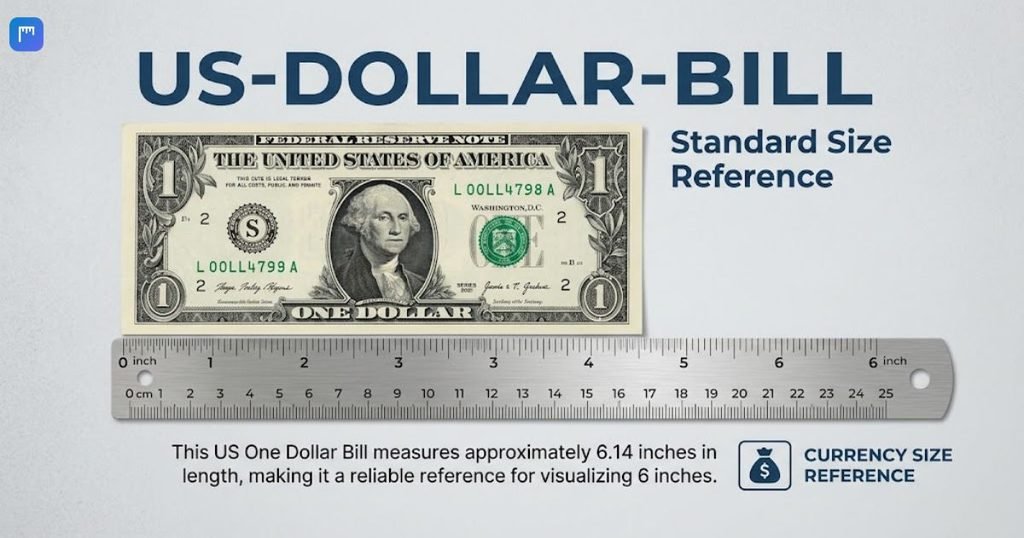
A US dollar bill is 6.14 inches long and 2.61 inches wide. That makes it one of the easiest ways to picture 6 inches because its long edge is only about 0.14 inches longer. If you wonder what 6 inches looks like, placing a dollar bill in your mind gives you a very close everyday reference.
A dollar bill is small enough to fit easily in a wallet or pocket while still being easy to recognize and handle. People use it for small purchases, tips, change, and everyday cash payments. Its familiar shape makes it a practical comparison when you want to estimate 6 inches without reaching for a ruler.
Here is an interesting fact many people do not know. The modern US dollar bill has been 6.14 inches long since the smaller US currency size was introduced in 1929. Before that change, American paper money was larger. So a simple dollar bill also carries a little piece of US currency history.
6 Inch Ruler
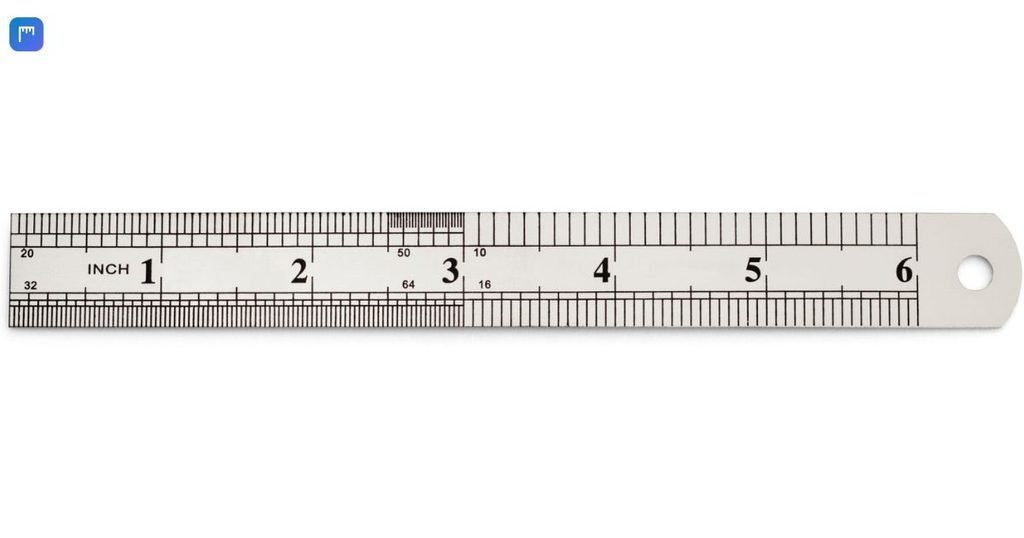
A 6 inch ruler is an exact match for the measurement. It measures 6 inches or 15.24 cm, which is also 0.5 feet. If you need to understand how long 6 inches is, a small ruler gives you the clearest possible visual because its full length represents the measurement directly.
A ruler is one of the simplest tools for checking length in school, crafts, drawing, sewing, and small home projects. A 6 inch ruler is especially handy when working with small objects because it is compact and easy to carry. You can quickly compare paper, boxes, pencils, or other items against its edge.
Rulers have a surprisingly old history. People have used marked measuring tools for thousands of years, but early rulers were not always based on inches as we know them today. The inch itself developed from older body based measurements. Modern rulers turned those changing measurements into a fixed and repeatable standard.
Standard Toothbrush
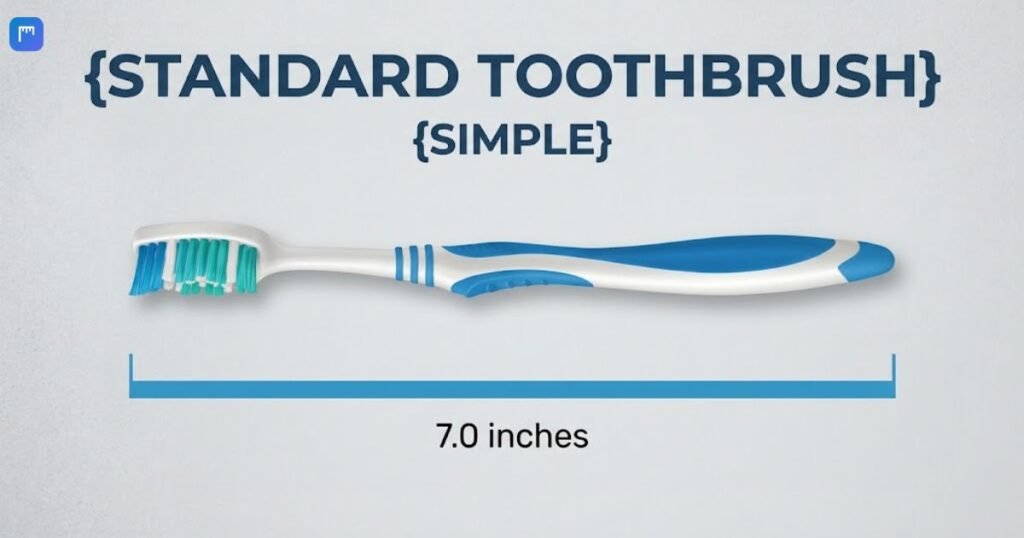
A standard toothbrush is commonly around 6 to 8 inches long, depending on the handle and design. Smaller toothbrushes can come close to 6 inches, making them a useful everyday comparison for understanding this measurement. It is best viewed as an approximate example rather than an exact 6 inch object.
A toothbrush is designed to reach the teeth and gums comfortably while giving the user enough handle space for a firm grip. Its narrow head helps clean areas that are difficult to reach with larger objects. Because most people have handled a toothbrush many times, it can be an easy way to imagine what 6 inches looks like.
Toothbrushes are much older than modern plastic designs. Early versions were made from natural materials such as small sticks and animal hair. The familiar nylon bristle toothbrush appeared in the 20th century and helped make personal dental care more convenient and consistent for everyday users.
Butter Knife
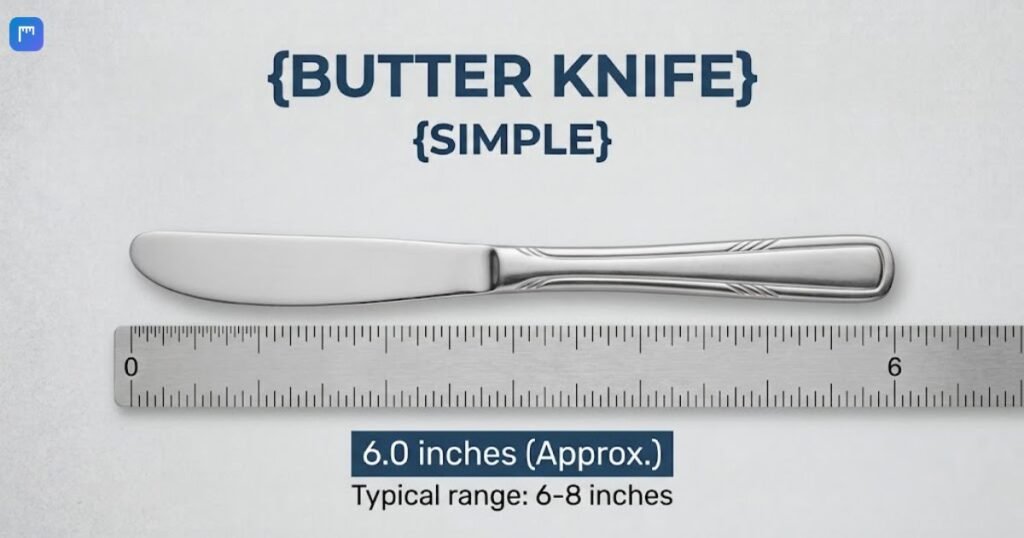
A small butter knife can be close to 6 inches long, although the exact size depends on its design. Compact butter knives are useful for visualizing 6 inches because their total length can sit near this measurement. Larger table knives may be longer, so this comparison works best with a smaller butter knife.
Butter knives are made for spreading butter, soft cheese, jam, and similar foods without needing the sharp edge of a regular kitchen knife. Their rounded shape also makes them safer for casual table use. You can usually find one in a kitchen drawer or on a dining table, making it a familiar size reference.
Butter knives became especially common as table settings developed more specialized utensils. Instead of using one knife for every task, dining traditions gradually introduced different knives for cutting, spreading, and serving. That simple change helped create the familiar collection of tableware used today.
TV Remote
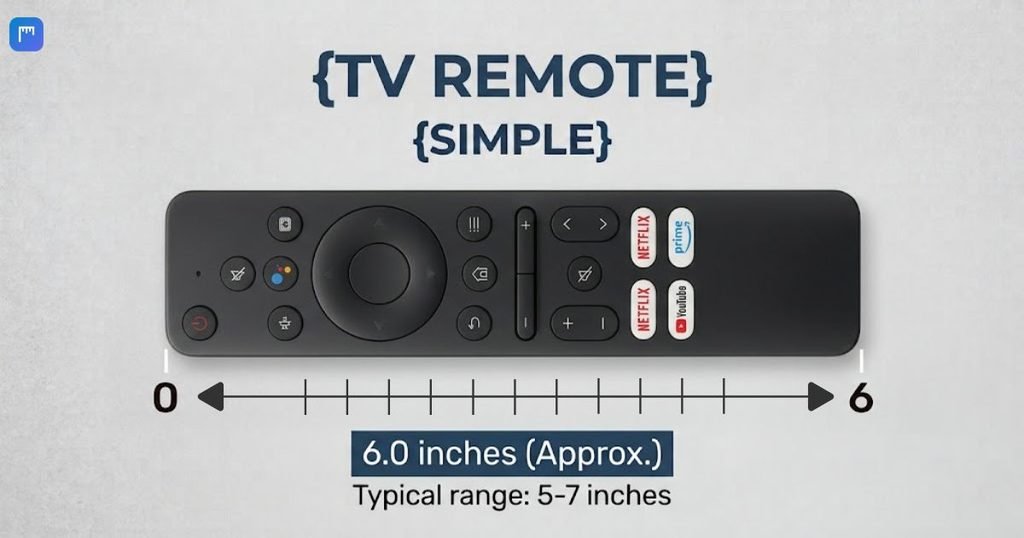
Many compact TV remotes measure around 6 inches long, although remote sizes vary between brands and models. A smaller remote can therefore give you a useful idea of what 6 inches looks like. It is not an exact standard, but its familiar shape makes the comparison easy to understand.
A TV remote puts basic controls such as power, volume, channels, and menu functions directly in your hand. Its long narrow body allows several buttons to fit into a compact space. Most people have used one while sitting on a sofa, so imagining its length is often easier than imagining an abstract measurement.
The first television remote controls were very different from today’s wireless models. Early remotes were connected to the television by a cable, while later designs used ultrasonic signals and eventually infrared technology. Modern remotes may look simple, but they are the result of decades of changes in home entertainment technology.
Large Smartphone
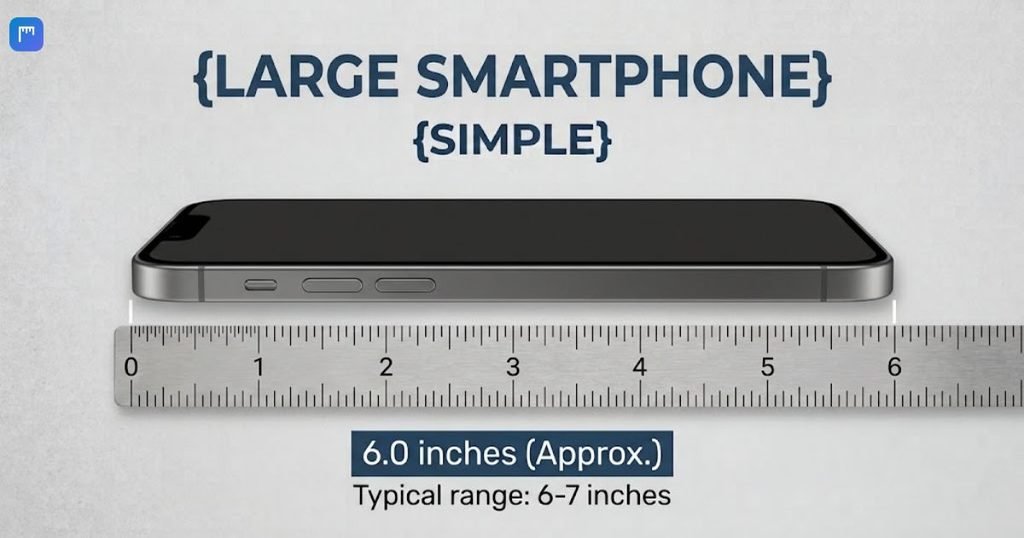
A large smartphone can have a body length of around 6 to 7 inches, depending on the model. Some phones come quite close to 6 inches from top to bottom, making them a useful modern comparison. Remember that a phone’s screen size is usually measured diagonally, so a 6 inch screen does not mean the phone itself is exactly 6 inches long.
Smartphones combine a phone, camera, computer, navigation tool, and entertainment device in one handheld object. Their narrow rectangular design makes them comfortable to carry while providing enough screen space for reading and viewing. Because smartphones are part of everyday life, they offer a convenient way to picture the size of 6 inches.
The first iPhone appeared in 2007 and helped change how people thought about handheld technology. Earlier mobile phones often focused mainly on calling and messaging, while smartphones gradually became powerful pocket computers. Their growing screen sizes have also changed how people compare phone dimensions today.
Paperback Book
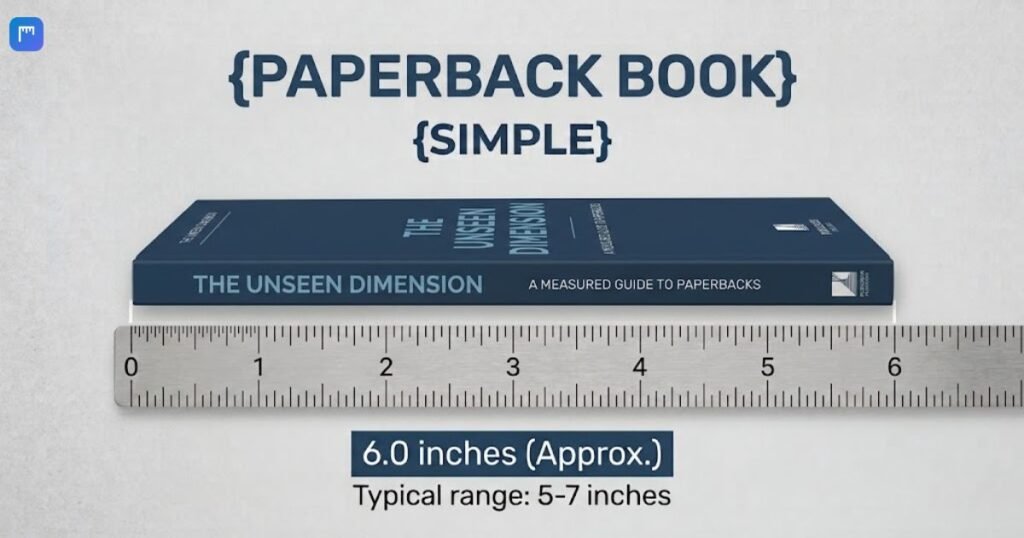
Some smaller paperback books have a side that measures close to 6 inches, although book sizes vary widely. A compact paperback can therefore help you picture how big 6 inches is when you look at its shorter edge. It is better used as an approximate comparison because not every paperback follows the same format.
Paperback books are designed to be lighter and easier to carry than many hardcover editions. Their flexible covers make them convenient for travel, school, reading on a commute, or keeping in a small bag. A familiar book gives you a practical way to think about 6 inches without needing a measuring tool.
The paperback format became especially popular during the 20th century because it made books cheaper and easier to distribute. Publishers could produce lightweight editions that reached a much wider audience. This helped transform reading from something often associated with large hardcover books into a more portable everyday activity.
Small Banana
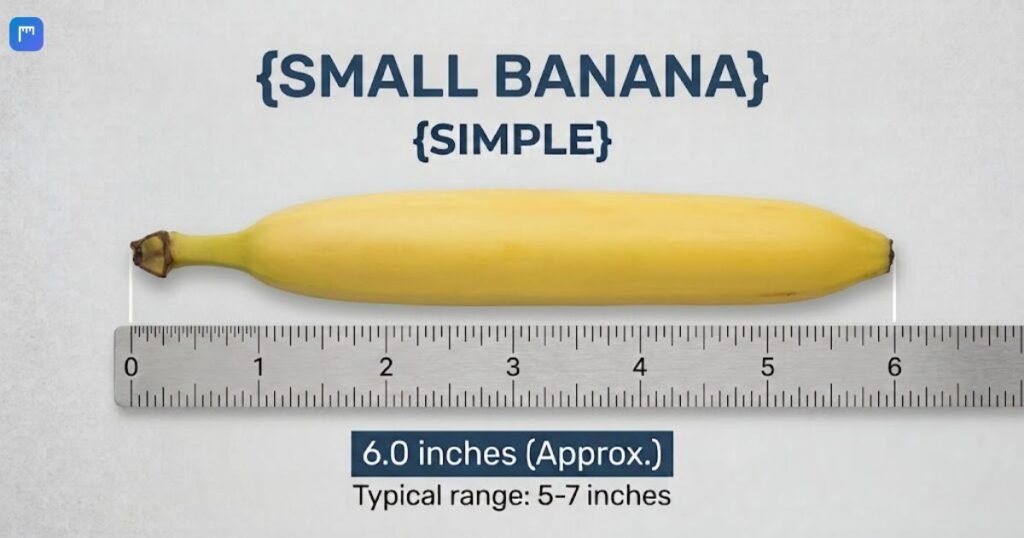
A small banana is often around 5 to 7 inches long, which means some smaller bananas can come close to 6 inches. Because bananas naturally vary in size, this is an approximate comparison rather than an exact measurement. Still, holding a small banana gives you a familiar way to understand what 6 inches looks like.
Bananas are popular because they are naturally portable, easy to peel, and convenient to eat without preparation. Their curved shape also makes them easy to recognize and handle. A small banana from a grocery store or fruit bowl can provide a quick visual reference for estimating a length close to 6 inches.
Bananas have a long history of cultivation. They were grown in parts of Southeast Asia thousands of years ago before spreading through trade and migration to other regions. The bananas commonly sold today are also quite different from many wild varieties, which contain large and hard seeds.
Kitchen Spatula
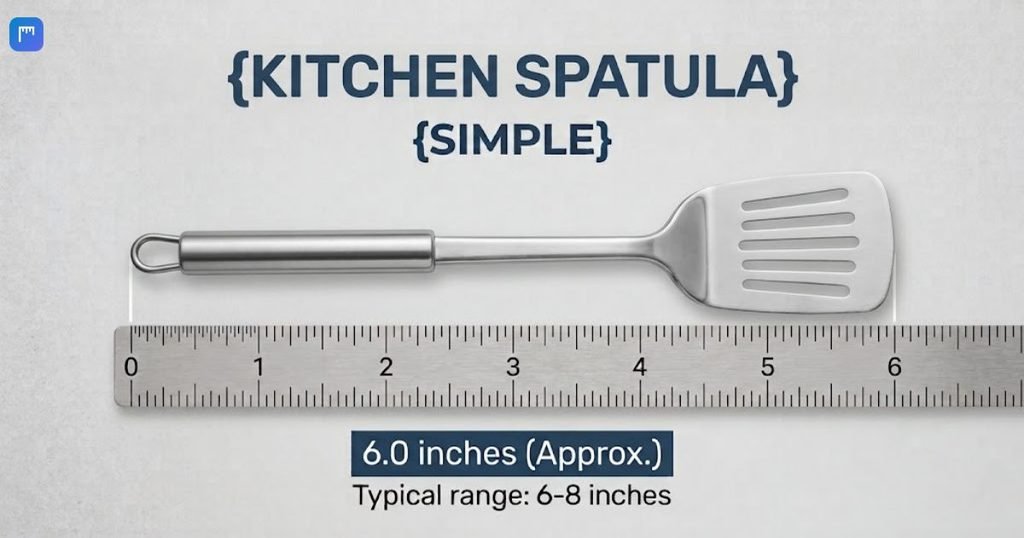
A compact kitchen spatula may measure around 6 inches long, especially smaller models designed for jars, pans, or detailed food preparation. Full size cooking spatulas are usually longer, so the smaller type is the better comparison. This makes a compact spatula a useful approximate example of 6 inches.
Spatulas help cooks flip, lift, spread, stir, and scrape food during preparation. Smaller silicone spatulas are especially useful for getting food from the sides and bottoms of bowls or containers. Their simple design makes them a common kitchen tool that many people can picture immediately.
The word spatula comes from the Latin word spatha, which referred to a broad blade or tool. Early versions were made from materials such as wood or metal. Modern silicone spatulas became popular because they are flexible, easy to clean, and gentle on many nonstick cooking surfaces.
Hairbrush
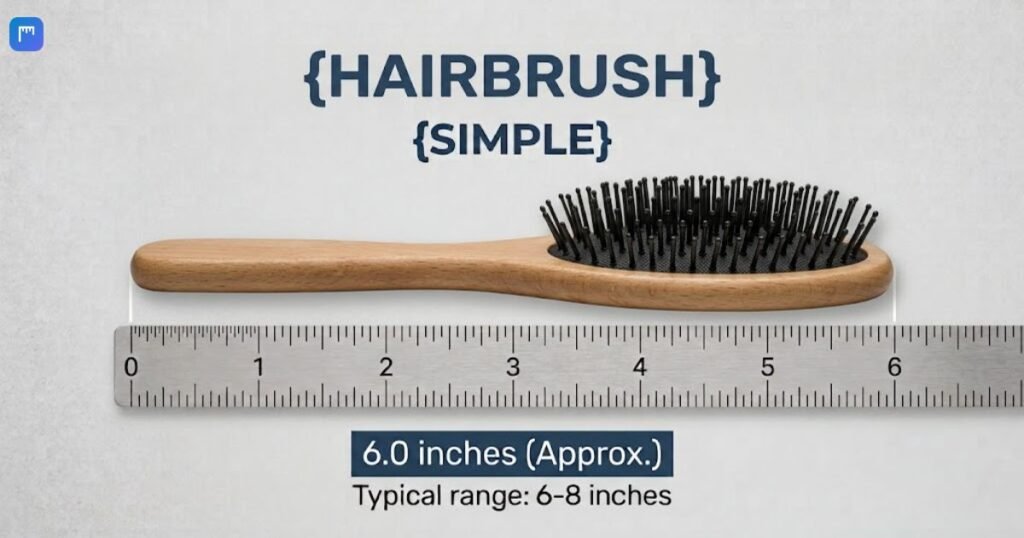
A small travel hairbrush can be close to 6 inches long, although regular hairbrushes are often longer. This means a compact brush can help you visualize 6 inches while a full size brush may give a larger comparison. Looking at the handle and brush body together makes the approximate length easier to picture.
Hairbrushes are designed to remove tangles, smooth hair, and help spread natural oils from the scalp through the hair. Their shape gives the user a comfortable grip while the bristles or teeth work through the hair. Small travel brushes are useful because they can fit inside handbags, luggage, or desk drawers.
People have used tools for grooming their hair for thousands of years. Ancient combs and grooming tools were made from materials such as bone, wood, and ivory. The modern hairbrush developed much later as manufacturers experimented with different bristles, handles, and shapes for easier everyday grooming.
Small Serving Spoon
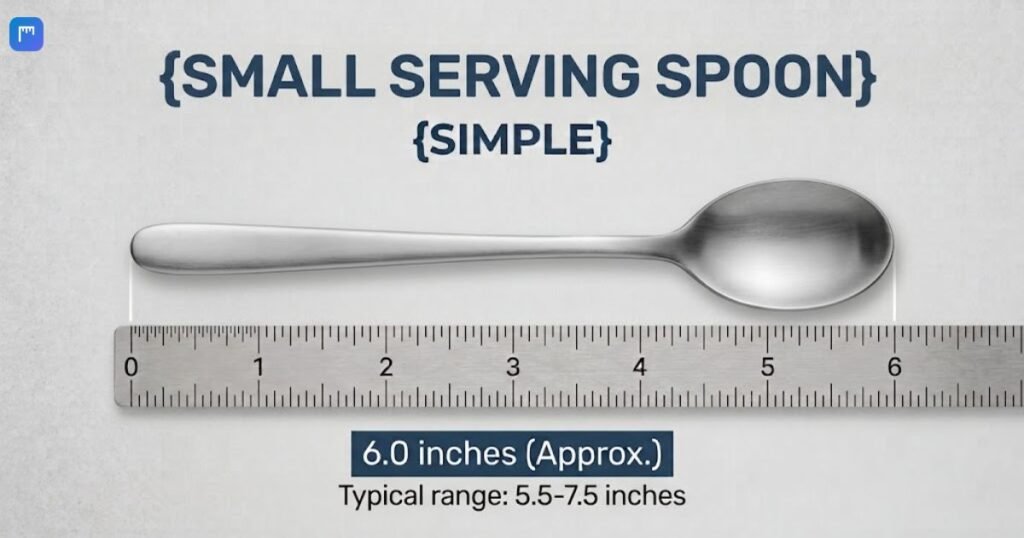
A small serving spoon can be around 6 inches long, depending on its design and intended use. Larger serving spoons are often longer, so a compact spoon is the better comparison. If you place a small serving spoon beside a ruler, its overall length can give you a simple visual idea of how long 6 inches is.
Serving spoons are useful for moving food from a shared dish onto a plate. They are commonly used for vegetables, rice, sauces, desserts, and other foods served at the table. Their bowl shaped end allows food to be lifted without the sharper edge found on many kitchen knives.
Spoons are among the oldest eating and serving tools known to humans. Ancient spoons were made from materials such as wood, shells, stone, and bone long before metal became common. Their basic design has changed surprisingly little because the simple bowl and handle combination works so well.
Wallet
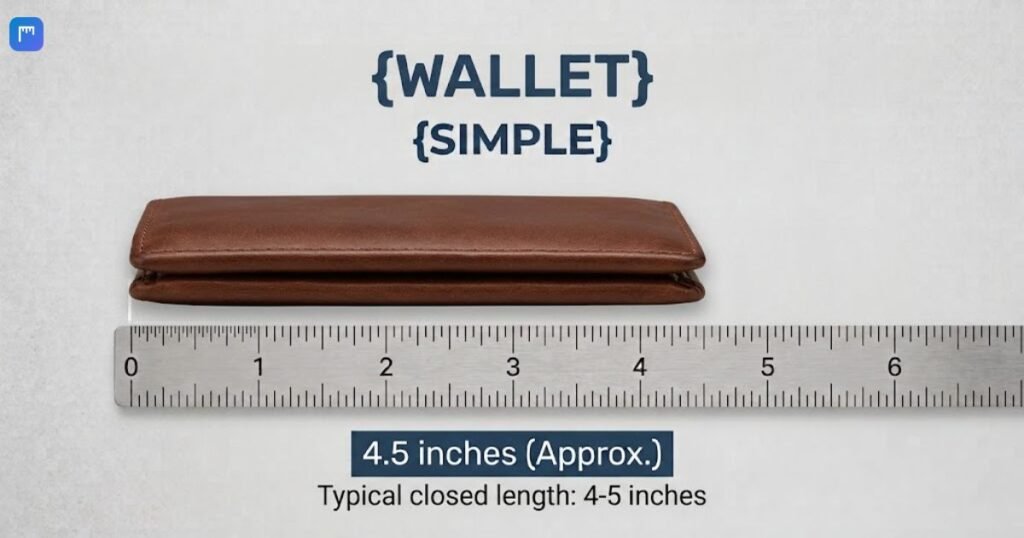
A typical closed wallet is usually much shorter than 6 inches, but when an open wallet is laid flat, its full width can approach this measurement depending on the design. For that reason, a wallet is better treated as a supporting visual reference rather than an exact 6 inch comparison.
Wallets are made to keep cash, cards, identification, and other small essentials organized in one place. Their compact shape allows them to fit inside a pocket or bag without taking up much room. An open wallet can also give you a useful sense of how several inches of space look across a familiar everyday object.
Wallets have existed in different forms for centuries. Before modern bank cards, people mainly used small pouches or cases to carry coins and other valuables. The familiar folded wallet became more practical as paper currency and identification cards became common in everyday life.
6 Inch Sandwich
A 6 inch sandwich is one of the easiest food based comparisons because its stated length is exactly 6 inches, or 15.24 cm. A six inch sub or sandwich gives you a direct answer to the question of how long 6 inches is. Its length is usually measured from one end of the bread to the other.
A sandwich is popular because it is quick to prepare, easy to carry, and flexible enough to contain many different fillings. A 6 inch sandwich is also a convenient portion for lunch or a light meal. If you have ever held one, you already have a practical mental picture of this measurement.
The sandwich has a surprisingly long history, although the modern name became widely associated with John Montagu, the 4th Earl of Sandwich, in 18th century England. The popular story says he wanted food that could be eaten without leaving his card game. Whether every detail of that story is true or not, the name became firmly connected with the food we know today.
Handheld Hair Comb
A handheld hair comb is often around 6 inches long, especially compact everyday combs designed to fit comfortably in one hand. Exact sizes vary, but a comb near this length provides a useful real life comparison for understanding 6 inches. Its straight shape also makes the measurement easy to imagine.
Combs help separate strands, remove tangles, style hair, and create neat sections. They are small enough to carry in a pocket, handbag, or grooming kit. Unlike a brush, a comb usually has a row of teeth along a narrow body, which makes it especially useful for detailed styling.
Combs are among the oldest personal grooming tools discovered by archaeologists. Ancient combs have been found in several cultures and were made from materials including bone, wood, and shell. Their basic design has survived for centuries because a simple row of teeth remains effective for managing hair.
Small Notebook
A small notebook may have a side measuring close to 6 inches, depending on its format. Pocket notebooks and compact journals can come near this size, making them useful for visualizing 6 inches. Because notebook dimensions vary, it is best to use the actual edge of the notebook as an approximate comparison.
Small notebooks are useful for writing quick notes, lists, reminders, sketches, ideas, and daily plans. Their compact format makes them easy to carry to school, work, meetings, or while traveling. Seeing a familiar notebook in your hand can make the idea of 6 inches much easier to understand.
Notebook writing has roots in older forms of personal record keeping. Before modern paper notebooks became common, people recorded information on materials such as clay tablets, parchment, and bound manuscripts. Portable paper notebooks later made it much easier for ordinary people to keep personal notes wherever they went.
Eyeglasses Case
A compact eyeglasses case is often around 6 inches long, although its exact size depends on the glasses it is designed to hold. Since many cases are slightly longer than the lenses and frames inside them, a small case can provide a useful visual comparison for 6 inches.
An eyeglasses case protects lenses from scratches, dust, pressure, and accidental damage when glasses are not being worn. Its hard or semi hard outer shell also helps prevent the frame from being crushed inside a bag or pocket. Because cases are usually slim and portable, they are easy to use as a real world size reference.
Protective cases became increasingly important as eyeglasses changed from simple visual aids into everyday objects that people carried regularly. Modern cases use materials such as plastic, metal, fabric, and molded shells to balance protection with portability. Their familiar compact shape makes them a practical object for estimating small lengths.
Conclusion
Knowing how long is 6 inches becomes much easier when you connect it with things you already see and use. A dollar bill is close to this length while a 6 inch ruler and sandwich give an exact match. These simple comparisons also help answer questions like what does 6 inches look like and make 6 inches in cm easier to remember. Six inches may sound small but familiar objects can make the distance feel surprisingly clear.
The next time you need to estimate 6 inches without a ruler do not think only about numbers. Picture a dollar bill in your hand or imagine the length of a small everyday object. That quick mental picture can turn an abstract measurement into something you can actually see and understand.
I shared the most useful everyday comparisons to help you understand 6 inches in real life without depending on a measuring tool.
Bookmark this website for future guides on measurements, conversions, feet, inches, meters, and other everyday size references.
3 thoughts on “How Long Is 6 Inches? 14 Common Things to Compare”